

Crack Sealing vs Crack Filling: What Minnesota Property Owners Should Choose in Minneapolis, MN
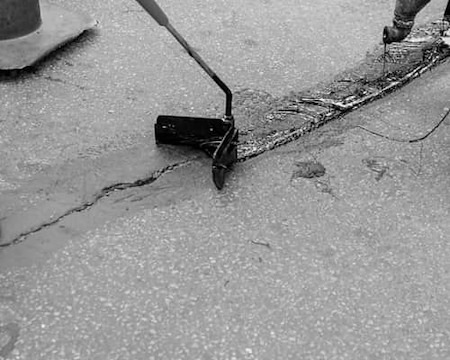
Choosing between crack sealing and crack filling can feel confusing when you are staring at fresh lines across your driveway or parking lot. In the Twin Cities, freeze and thaw, plowing, and salt make the choice even more important because water finds every opening. If you want a fast way to protect your surface, start by seeing how professional crack sealing differs from a simple fill and why it lasts longer in our climate.
As a local concrete sealing and asphalt maintenance team, Twin City Sealers focuses on solutions that match our weather and your goals. If you are comparing options right now, you can always lean on crack sealing in Minneapolis, MN with a trusted crew that knows how spring melt, summer sun, and early cold snaps work together on Minnesota pavement.
What Crack Sealing And Crack Filling Mean In Minneapolis
Both methods close gaps so your surface looks better and sheds water. The difference is how the material performs over time and how well it bonds to the crack walls. Crack filling is a basic placement of material in the gap. It is typically a stopgap for non-working cracks that show little movement. Crack sealing uses a hot rubberized sealant that bonds to the sides and stays flexible as temperatures rise and fall.
Why that matters here: our asphalt expands in July and shrinks hard in January. A rigid filler can pull away or split when the pavement moves. A hot rubber seal is elastic, so it stretches and rebounds with the pavement instead of breaking contact.
How Freeze–Thaw In Minneapolis Changes The Choice
Water is the real enemy. When it slips under the surface and freezes, it expands and pushes pieces apart. Repeated cycles turn a hairline into an alligator pattern. Then traffic and plow blades make quick work of the weak spots. **Sealed cracks stop water intrusion that causes potholes**, which is why the timing of your repair matters before late fall and after early spring storms.
In neighborhoods like Linden Hills, Longfellow, and Northeast, we often see tight cracks after hot, dry stretches that open wider once the first cold nights arrive. That movement points to sealing over filling for longer life.
Hot Rubber Crack Sealing: Benefits And When It Wins
Hot-applied rubberized sealant is heated to the proper temperature and poured or applied with a wand so it flows into the void and sticks to both faces of the crack. The finished band remains flexible through temperature swings and resists road salt. **Hot rubber sealant stays flexible to move with pavement**, which is vital near curb lines and at the ends of drive lanes where turning pressure is highest.
- Creates a water-tight barrier that resists freeze–thaw damage
- Bonds to the crack walls for better longevity in high-traffic spots
- Handles seasonal movement without splitting or peeling
- Prepares the surface for future protective coats and line work
If you are maintaining a shopping center in Uptown or a multifamily lot in the North Loop, hot rubber sealing is usually the smarter long-term play than a basic fill. It keeps joints tight and prevents moisture from creeping under the mat where it can break down the base.
Routing Cracks: When It Is Worth It
Routing means using a specialized cutter to shape a uniform reservoir along the crack. This creates clean walls and a consistent depth so the sealant can seat properly. Routing is not needed for every repair, but it can add years of life when edges are ragged or the crack wanders.
- Crack edges are crumbling or irregular
- There is moderate to heavy traffic, like near entries or cart returns
- The property sees frequent plowing or tight turning paths
- You are planning a follow-up sealcoat and want the best bond
**Routing is worth it when edges are crumbling** or when the site has heavy turning pressure. The cleaner profile helps sealant grab and stay put, which reduces callbacks after winter.
When Crack Filling Makes Sense
Crack filling is a practical short-term step for tight, non-working cracks on low-traffic surfaces. It can keep a driveway in Nokomis looking tidy through the season or stabilize small checks until a more complete maintenance window opens. If you have wider, moving cracks or joint separation, filling alone often will not last through the first deep freeze.
Think of filling as a bandage when timing, temperature, or access do not allow for sealing yet. It can buy time before a planned maintenance day but should be paired with proper sealing later for real protection.
Preventing Water Intrusion: The Twin Cities Payoff
Moisture control is the big win. Sealing cracks keeps meltwater, rain, and de-icer brine from reaching the base. That preserves compaction and stops the pumping action you might notice near catch basins or loading zones. In parking lots around Stadium Village or Dinkytown, even small leaks can turn into potholes by March if joints are open. **Do not ignore cracks before winter** because early action usually prevents bigger structural repairs later.
What Pros Look At Before Recommending A Fix
Every surface behaves a little differently, so a site walk matters. Here are the key checks your contractor makes before choosing sealing or filling:
- Movement: Are edges pulling apart with day-to-night swings or through the season?
- Width and depth: Is the gap deep enough to hold a reservoir of sealant without bleeding?
- Edge condition: Are the walls sound or breaking down and likely to ravel?
- Moisture: Are there birdbaths, downspouts, or shaded areas that stay wet?
- Use: How much turning, braking, and plow scraping does the area see?
Your property’s mix of these factors is why a quick look at Uptown retail stalls might yield a different recommendation than a cul-de-sac in Powderhorn. When sealing is the right call, professional crews often tie it into a broader pavement plan that includes asphalt sealcoating at the right time of year.
Local insight: in Minneapolis, the first sunny week after a cold snap can make cracks look smaller than they were a few days earlier. Do not wait for a warm spell to “hide” the issue. Schedule repairs based on trend, not a single day’s look, so water stays out for the next freeze.
How Crack Sealing Fits Your Bigger Maintenance Plan
Crack sealing is not a one-off task. It is the backbone of a smart maintenance sequence. After sealing, many Minneapolis owners plan a protective coat and fresh markings once temperatures and humidity cooperate. If you want help dialing in your timing, this guide on how often to sealcoat your driveway lays out the rhythm most homes follow in our area.
For commercial sites, managers usually stage work so traffic keeps moving. That can mean sealing joints in spring, then a mid-season sweep, followed by a sealcoat and lines after peak heat. Coordinating the sequence helps crews protect the sealed bands and keeps the lot looking fresh for customers.
Concrete Vs. Asphalt Cracks: What To Know
Concrete and asphalt crack for different reasons, and the repair approach changes too. Concrete joints are placed on purpose to control cracking, and sealing those joints keeps water out and protects the base and rebar from de-icing chemicals. Asphalt cracks form from movement, oxidation, and loads. The hot rubber sealants used for asphalt are designed to flex more than many concrete sealants. If your property has both surfaces, a plan that includes joint work on concrete and hot rubber sealing on asphalt will usually deliver the best long-term result.
Hot Rubber Crack Sealing Benefits At A Glance
Property owners tend to choose sealing when they want fewer surprises over winter and less edge ravel in spring. Here is a quick side-by-side to make the decision easier.
- Longevity: hot rubber typically outlasts basic fills on working cracks
- Flexibility: handles Minneapolis temperature swings without pulling away
- Appearance: cleaner lines, less ravel, and a better base for future coats
- Protection: limits brine and meltwater damage beneath the surface
If your lot already has patched potholes or seam repairs, sealing adjacent cracks helps those fixes last. You can read more about how patch timing and joint work fit together in our Minnesota-focused article on pothole repair options.
Where Crack Filling Still Helps
There are cases where filling is fine. Tight, shallow checks across a shaded driveway in Lyn-Lake may hold a basic filler through a season. Scheduling a full seal later, once the weather cooperates, turns that short-term move into a longer-term plan. Just remember, a filler is not meant for moving joints near ramps, curb lines, or loading areas.
Putting It All Together For Your Property
Here is a simple way to decide:
Choose sealing when the crack shows seasonal movement, when edges are rough or crumbling, or when you are planning a follow-up protective coat. Sealing is also preferred where plows turn, traffic cuts tight corners, or water pools after melt events. Choose filling for small, non-working checks on low-traffic areas when timing or temperatures are not ideal yet for a full seal.
Either way, it pays to act before a hard freeze. When in doubt, ask for a quick walk so a pro can assess movement, edge quality, and moisture patterns. That short visit can prevent a repair from failing early and keeps your surface looking clean through the season.
Ready To Make The Right Choice?
If you want a longer-lasting repair and a surface that stands up to winter, look into professional crack sealing with a crew that works in Minneapolis every day. When your plan includes sealing today and a fresh protective coat later, the odds of potholes drop and your lot stays safer for everyone.
To talk through your property’s mix of cracks, movement, and traffic, call Twin City Sealers at 612-757-0399. If you prefer, we can build a staged plan that starts now and adds a future coat with asphalt sealcoating when the window is right. When you are ready to get on the schedule, choose our team and let us handle the details so you can focus on your day. For a confident next step, schedule expert crack sealing and keep water out before it becomes a bigger repair later.
Keep Your Driveway & Parking Lot Looking New with Our Sealcoating Services In St. Paul