

Pot Hole Repair Options for Minnesota Parking Lots (And Which One Lasts Longest)
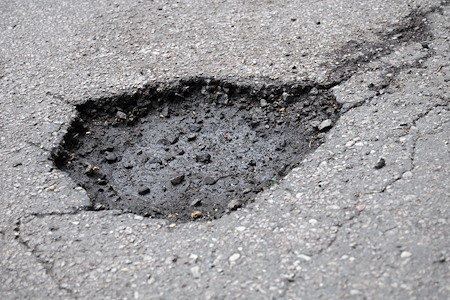
Freeze and thaw, road salt, and plow blades are tough on asphalt. That is why pot hole repair is a must for Minnesota parking lots. This guide explains the methods that work here, when to use each one, and how Twin City Sealers keeps patches tight and long lasting.
If you are weighing choices right now, see how our team approaches pot hole repair and why timing matters in our climate. You can also explore pot hole repair in Minneapolis to learn how we protect lots across the metro without disrupting business.
Why Minnesota Parking Lots Form Potholes
Water finds small cracks, freezes, and expands. When it thaws, the surface loses support and traffic breaks the weakened spot into a hole. Salt and constant turning in busy areas like Uptown, the North Loop, and St. Paul’s Midway speed this up.
Low spots near drains, cart corrals, and drive lanes that collect meltwater are common starting points. Fixing these areas fast reduces liability for trips, bent rims, and tire damage.
Patching Methods Explained
Cold Patch (Temporary)
Cold mix is ready-to-use material that crews place and compact in cool or wet conditions. It restores a drivable surface fast, which is useful during shoulder seasons or after storms, but it is a short-term fix.
Throw-and-Roll vs. Tamped Cold Mix
Throw-and-roll relies on traffic or a truck tire to compact the patch. Hand-tamped or vibratory compaction locks it better. Both are still temporary because moisture and traffic can ravel the edges over time.
Hot Mix Cut-and-Replace (Semi-Permanent to Permanent)
Crews saw cut a neat rectangle around the failure, remove weak material, tack the edges, place hot mix asphalt, and compact in lifts. This is a strong repair when the base is stable and temperatures allow plants to supply hot mix.
Infrared Thermal Patch (Permanent When Conditions Fit)
An infrared heater softens the existing asphalt, so new mix bonds to the old without cold seams. It blends well in high-visibility areas near storefronts and entries. It needs dry conditions and enough sound pavement around the hole to fuse properly.
Spray Injection (Also Called Blow Patching)
This method cleans the hole with air, applies emulsion, injects coated stone, and caps with more emulsion. It is fast and effective on small to medium defects and along joints or utility cuts. Edge sealing is key to durability.
Temporary vs. Long-Term Fixes: What Lasts Longest
Different goals call for different methods. Here is how they stack up for most Minnesota lots when installed correctly and at the right time.
- Longest lasting: hot mix cut-and-replace when the base is firm and edges are sealed
- Also strong: infrared patch on sound surrounding pavement, ideal for high-visibility zones
- Good in the right spot: spray injection on minor to mid-size defects and joints
- Short-term: cold patch to bridge bad weather or protect traffic until permanent work
Never ignore standing water. Water at the repair site shortens the life of any patch. Drainage fixes, tight edges, and timely crack work make every repair last longer.
Business Owner Guide: Pick The Right Option For Your Lot
Choose based on safety, timing, and how your property is used. A small clinic with constant drop-offs might need a fast infrared patch near the entry, while a distribution yard could favor saw-cut hot mix after hours.
- Traffic and turning pressure: tighter turns near drive lanes and cart returns need stronger, bonded repairs
- Moisture and drainage: address birdbaths or blocked drains so patches are not sitting in water
- Season and supply: use cold mix only as a bridge when plants are closed or weather is wet
- Appearance goals: infrared blends well where curb appeal matters
- Future maintenance: plan repainting and crack sealing after patches cure
When in doubt, ask for a quick on-site review. A short walk can reveal whether a spot needs base repair, edge milling, or a simple patch tied to an upcoming sealcoat window.
How Pot Hole Repair Fits Into Pavement Maintenance
Potholes are the symptom. A smart plan treats the causes too. Tight joints and sealed cracks keep water out so fresh patches last. Linking repairs with routine work can prevent repeat calls to the same area.
If you see widening cracks around a pothole, schedule crack sealing to lock out moisture before winter. Follow with sealcoating when conditions allow to reduce oxidation and salt damage in drive lanes and stalls.
When To Schedule Work In Minnesota
Plan two stages during heavy freeze-thaw: first a safe temporary patch, then a permanent repair once weather stabilizes. Many properties in Minneapolis and St. Paul pair structural patches with early-season sweeping and later with line striping for a clean finish.
Avoid scheduling during rapid freeze-thaw swings if you want top durability. Warmer, dry conditions improve bonding, compaction, and edge sealing.
What You Can Expect From Twin City Sealers
Our team starts with a site walk to mark hazards, drains, and turning zones. We photograph the damage, note any base failures, and recommend the right method for your timeline.
On service day, crews set cones and signs, prepare the area, and install the patch. We compact in lifts, seal the edges, and clean the site so traffic can return safely once the surface is ready. Keep people clear of fresh patches until the crew confirms it is safe to reopen.
After the repair, we provide simple care tips and recommend follow-up work if needed. That might include sealing nearby cracks or planning a sealcoat window to protect high-wear lanes before next winter.
Real-World Examples Around The Twin Cities
High-turn parking aisles near coffee shops see scuffing and edge wear. Infrared helps blend those spots without visible seams. In delivery lanes where trucks track water, hot mix cut-and-replace with tight joints stands up best.
Lots near busy intersections often develop potholes by catch basins. Spray injection can be a fast choice there, but if the base is soft, cut-and-replace is the safer long-term bet.
How To Stretch The Life Of Every Patch
Good maintenance multiplies the value of each repair. Here are simple, non-DIY steps property managers can plan with their contractor.
- Sweep grit and clear drains each season so water does not sit on patches
- Schedule crack sealing around patched areas before winter
- Repaint traffic markings after final cures to guide smoother traffic flow
These small moves limit repeat failures, improve safety, and keep your lot looking sharp for customers and staff.
Your Next Step
If you are comparing methods right now, see our approach to professional pot hole repair and how we stage work to keep businesses open. Or call 612-757-0399 to schedule a quick walk-through with Twin City Sealers today.
Want a plan that prevents the next round of holes? We will evaluate drainage, traffic patterns, and crack activity during the same visit and recommend a simple maintenance sequence for steady results through our Minnesota seasons.
Keep Your Driveway & Parking Lot Looking New with Our Sealcoating Services In St. Paul