

How Often Should You Sealcoat Your St. Paul Driveway?
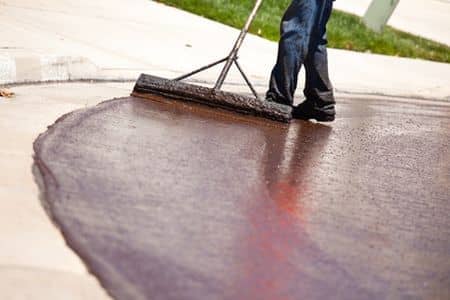
Wondering how often to sealcoat a driveway in St. Paul, MN? You are not alone. Our winters are long, our springs are wet, and road salt is part of life. The short answer most homeowners follow is every two to three years, but the right schedule for your home depends on exposure, traffic, and surface condition. If you want a deeper look at materials and process, start with our asphalt sealcoating services and then use this guide to dial in your timing.
In St. Paul neighborhoods like Highland Park, Como Park, Macalester‑Groveland, and West 7th, sealcoating works like sunscreen and a raincoat for your driveway. It slows oxidation, blocks moisture, and keeps deicers from soaking in. Do it on the right cycle and your driveway looks better and lasts longer without costly repairs. That is smart residential asphalt care.
Why St. Paul Weather Dictates Your Sealcoating Schedule
Our climate puts your driveway through a lot. Temperatures swing from subzero in January to summer heat by July. Meltwater seeps into tiny voids, freezes, and pries them wider. Plow blades and shovels can scuff the surface. Deicers work, but they are rough on asphalt binders. If your driveway catches full sun along Summit‑University, UV rays dry the surface faster. If it sits in shade near Como’s tall trees, it may hold moisture longer. All of this affects how often to sealcoat.
The more exposure, traffic, and winter scraping your driveway sees, the sooner a fresh protective coat makes sense.
The Right Frequency for Driveway Sealcoating in St. Paul
For most St. Paul homes, a two to three year cycle is the sweet spot. Some lower‑traffic, shaded drives can stretch closer to four years. Busy drives with frequent turnarounds or south‑facing sun often benefit from the shorter end of that range. New asphalt needs time to cure. Many local homeowners plan the first seal after a full warm season has passed and the surface has firmed up. If you just installed a driveway late last summer, your first coat may be best in the coming warm season, after a quick professional check.
- Typical cadence: every 2–3 years for most residential driveways in St. Paul
- First coat: after the pavement has cured through a warm season and conditions are right
- Adjustments: sooner for high traffic, heavy turning, or full‑sun exposure; later for light use or shaded drives
Think of sealcoating like routine checkups. You would not schedule them too close together or wait until something fails. The goal is steady protection that stays ahead of damage. That is Minnesota driveway maintenance done right.
Clear Signs It Is Time To Sealcoat Again
You do not need a lab test to spot the right timing. A five‑minute walk tells you a lot. If you notice two or more of the signs below, you are likely due for a fresh coat.
- Color has faded from deep black to light gray and looks dry or dusty
- Hairline cracks under a quarter inch that are mostly straight or scattered
- Minor surface raveling where fine aggregate feels rough to the touch
- Stains from oil or leaves that soak in instead of wiping away
If you see block‑like “alligator” cracking, sinking at the apron, or wide, crumbling cracks, that points to deeper issues. In that case, read our practical sealcoating vs. replacement guide and schedule an assessment before you plan a coating.
What a Pro Looks At Before Recommending Timing
A quick glance rarely tells the whole story. A seasoned pavement services pro checks texture, drainage patterns, edge stability, and how old patches are holding up. In St. Paul’s freeze‑thaw cycle, trapped water is the enemy. If the surface is sound, a protective coat renews the top layer and slows weathering. If there are gaps or working cracks, targeted crack sealing first helps the new coat perform the way it should. That order matters because the coating protects, while crack work keeps water out of the structure.
Sealcoating preserves a driveway that is still structurally healthy; it is not designed to fix base or drainage problems.
Best Time of Year To Sealcoat in Minnesota
Timing is everything. Sealers like warm, steady, dry weather. In our area, the primary window runs from late spring through part of fall, with the best days offering temperatures above 50°F, light wind, and no rain in the forecast. Early mornings shaded by tall oaks in Como or Payne‑Phalen can hold dew longer, which can slow drying. Sunny early‑afternoon starts can help on those blocks. Late‑season work can be fine when conditions line up, but many homeowners prefer to schedule earlier so the coating cures well before leaf drop and cold snaps.
Planning ahead helps. Crews book up fast after the snow melts and again before school starts. If your driveway faces south on West 7th and bakes in July, that heat can speed surface drying but also increase scuffing from tight turns. Your crew will help pick the best start time and traffic reopening window.
How Exposure, Traffic, and Care Change the Schedule
Every driveway lives a different life. A quiet, shaded single‑car lane in Merriam Park does not wear like a wide, sunny turnaround in Mac‑Groveland. Delivery vans that cut the wheel on the same spot, snow storage by the curb, and frequent start‑stop traffic all speed up surface wear. On the other hand, drives with gentle entries, good drainage, and lighter use can often go longer between coats. Your schedule should reflect what your surface actually experiences through the year.
When in doubt, choose protection before problems grow. Small cracks are easier to manage than repairs after a deep freeze.
Set a Simple, Local Sealcoating Plan
Homeowners get the best results when they treat sealcoating as part of a short, repeatable plan made for St. Paul. Here is a straightforward way to think about it:
- Visual check each spring after thaw. If it looks gray, dry, and has hairline cracking, plan a coat this season.
- Have a pro inspect edges, apron, and any patched areas. Handle crack sealing first if needed.
- Book a fair‑weather window, then let the coating cure fully before heavy turning and parking.
This routine keeps your driveway sealed on time without overdoing it. It also fits the rhythms of St. Paul’s seasons, when weather windows open and close fast.
Why Material Choice and Prep Matter
Two driveways sealed on the same day can age very differently. The difference is often in the details: surface cleaning, how cracks are treated, edge work, and the grade of sealer used. Commercial‑grade sealers formulated for Minnesota’s climate and proper prep are key. That is why many homeowners in St. Paul choose a professional team that handles the process end to end. If you want to see what that looks like, browse our overview of asphalt sealcoating services and compare it to your driveway’s needs.
For context, Minnesota winter scraping can scuff a dry, weathered surface faster than a protected one. A well‑bonded coat helps lock in fines and makes cleanup smoother the next season.
Real‑World Timing Examples Around St. Paul
Highland Park, south‑facing drive with frequent turnarounds: After two winters, color faded to gray and shallow surface cracks showed up at the bend near the garage. A fresh coat after spring crack work brought back a tight, dark surface and reduced scuffing in summer heat. The plan going forward is a two‑year cycle.
Como Park, shaded drive near tall maples: Less sun means slower drying after storms and spring thaw. Hairline cracks grew slowly. A three‑year cycle kept protection steady. Crew timing focused on mid‑day starts for best curing in partial shade.
Dayton’s Bluff, older apron with settlement: Multiple wide cracks and a dip by the curb pointed to base movement. A protective coat would not fix the cause. The homeowner reviewed a replacement path after a professional assessment and used the sealcoating vs. replacement guide to make the call.
Answers to the Big Question: How Often Should You Sealcoat?
If you want one line you can plan around, use this: in St. Paul, sealcoat most residential driveways every two to three years, with the first coat after the surface has cured through a warm season. Adjust a bit sooner for heavy traffic, sharp turning, full sun, or frequent winter scraping. Stretch a bit longer for light use or steady shade. Pair each coat with targeted crack sealing when needed, and you will stay ahead of problems.
If you prefer to anchor that to a calendar, note your last service month on your phone. When the next warm season rolls around two years later, walk the driveway. If it still looks rich and tight, check again in a few months. If it looks dry, gray, or rough, it is time.
Ready for a Local, Straightforward Plan?
Protecting your driveway does not have to be complicated. Start with a quick assessment and a plan built for St. Paul weather and your block’s sun and shade. You can learn how the process fits your home by reading about our asphalt sealcoating services and then setting a time that works for your schedule.
For homeowners beginning research, this site is a good hub for driveway sealcoating in St. Paul, MN resources, timing tips, and local examples. When you are ready to act, call Twin City Sealers at 612-757-0399 for a friendly, no‑pressure walkthrough of your driveway’s condition and the best window for the next coat.
Let’s Protect Your Driveway This Season
Your driveway handles every season here. Give it the protection it needs before the next freeze‑thaw hits. Schedule a quick on‑site look so we can confirm timing and plan the simplest path forward. Reach out to Twin City Sealers at 612-757-0399 or book online to schedule driveway sealcoating on a day that fits your calendar.
Keep Your Driveway & Parking Lot Looking New with Our Sealcoating Services In St. Paul