

Sealcoating Temperature Guide for Minnesota: When It’s Safe to Apply
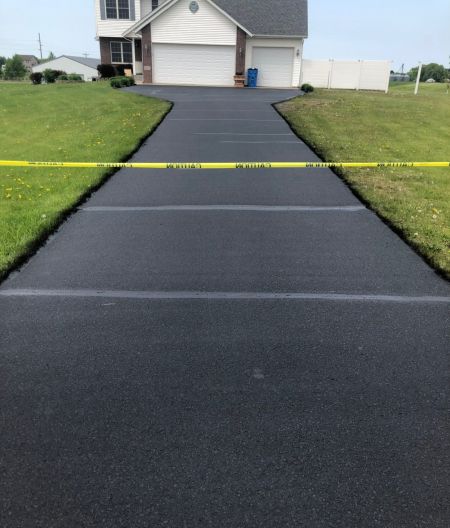
Timing matters in Minnesota. Choose the wrong day and sealcoat can dry unevenly or fail early. Choose the right day and your asphalt looks rich and protected for seasons. This guide explains the best temperature to sealcoat in Minneapolis MN, how spring compares to fall, and what affects cure time so you know when it is safe to schedule asphalt sealcoating with confidence.
What Temperature Makes Sealcoating Safe in Minnesota?
Sealcoat is sensitive to weather. For most residential and commercial projects around Minneapolis, crews look for a stable, mild forecast. The simple rule many pros follow is 50°F and rising for both air and pavement, with dry skies and gentle wind. Pavement temperature often lags morning air readings, especially on shaded or north-facing drives, so crews verify the surface is warm enough before they begin.
Moisture is the other big variable. Plan work when there is no rain in the forecast for 24 hours. High humidity slows evaporation and can stretch the schedule, while light breezes and sun help the film set evenly. In town centers like the North Loop or Downtown, darker pavements and buildings hold heat, which can speed drying compared to tree-lined streets in Nokomis or Linden Hills.
- target mild days with steady sun and light wind
- confirm pavement temperature, not just air temperature
- avoid heavy shade early in the day; start those areas later
- watch overnight lows; chilly nights can stall curing
Spring vs. Fall Sealcoating in Minneapolis MN
Both seasons can work well, but they behave differently in our climate.
Spring can be great once nights warm up. You get growing daylight and moderate temps, but early spring ground may still be cool and rain is frequent. Shaded drives in Northeast or Powderhorn can run cooler than expected until mid to late morning.
Early fall often brings warm pavement and calmer weather after peak summer heat. Days are shorter though, and dew returns earlier in the evening. Late-season cold snaps can close the window fast, especially near lakes where fog and moisture linger.
- pick spring when you want early-season protection before summer sun and traffic
- pick early fall when you want warm surfaces, lighter winds, and fewer storms
How Temperature Affects Sealcoat Cure Time
Drying and curing are not the same. Drying is the surface skin forming, while curing is the deeper set that makes the coating tough. On mild, sunny days with low humidity, many residential driveways are ready for light use later the same day. Larger parking lots may need a longer window because of heavier film build and shaded zones.
Plan for typical reopen times to move around with the least stress. In warm, dry weather, many properties reopen to vehicles around a day later. Cooler temps or high humidity can push that to the next day. When conditions are borderline, your crew may stage work in zones so tenants or family members always have a place to park.
Want help planning a maintenance cycle around local weather? Read our quick guide on how often to sealcoat your driveway and coordinate timing with your other pavement services.
Microclimates, Shade, and Urban Heat Around the Twin Cities
Minneapolis neighborhoods create their own microclimates. Dense blocks in the North Loop, Uptown, and Dinkytown retain heat, while heavily treed streets in Linden Hills or Longfellow run cooler and stay damp longer after rain. North-facing drives, tall-fence alleys, and spots under large maples can trail sunny apron temperatures by several degrees for much of the morning.
These small differences change the start time and the order crews work across a site. Pavement that stays cooler or damp will be scheduled later in the day or on a warmer date. If you want a team that plans around all those details, start with the pros at Twin City Sealers. See why so many neighbors trust us for the best temperature to sealcoat in Minneapolis MN advice and careful scheduling.
When It Is Too Hot To Sealcoat
Yes, heat can be a problem too. On very hot days, the top can dry faster than the body of the film, leading to streaks or scuffing when vehicles turn sharply. In peak summer heat, experienced crews watch surface temperature and may begin earlier in the morning, move shaded areas to midday, or limit sections that take heavy turning traffic until the surface is ready. The goal is an even cure that stands up to plows, salt, and freeze-thaw cycles through winter.
Seasonal Window Most Minneapolis Properties Use
Most seasons, the practical window runs from late April or early May into mid‑October, with especially reliable stretches in late May to late June and again from late August into late September. Weather shifts year to year, so the team will watch forecasts for temperature, wind, humidity, and overnight lows before giving you a firm date. If conditions change, a quick reschedule protects the finish and avoids rework.
How Twin City Sealers Plans Projects For Better Results
We plan sealcoating like a mini event. That starts with a weather check for sustained warmth, then a site walk for shade, drainage, and turning areas that scuff first. For commercial lots, we stage in zones to keep customers moving and coordinate striping after the surface is ready. For homes, we time driveway work so you have easy street parking and a clear reopen window the next day.
When timing lines up, we confirm your date and keep an eye on the forecast. If temps or rain risk slip, we adjust. Careful planning beats rushing every time. If you are weighing options or want to see the service details, browse our overview of asphalt sealcoating and then pick a date that fits your calendar.
Key Takeaways For Minnesota Weather
For most properties in and around Minneapolis, the safe, simple formula is steady, mild days with warm pavement and no moisture on the horizon. Respect those basics and your sealcoat will cure evenly and last longer through winter. Two final reminders that help homeowners and property managers alike:
pavement temperature matters more than air temperature on shaded drives, and you should wait about 24 hours before vehicles in typical mild weather, longer if it is cool or humid. Plan ahead, watch the forecast, and lean on a crew that knows our neighborhoods and seasons.
Ready To Protect Your Asphalt?
If you want a clean, predictable schedule and a finish that holds up through Minnesota winters, talk with Twin City Sealers. Call 612-757-0399 and our team will recommend a weather window that fits your property. To see what is included and how we plan each project, start with our page on professional asphalt sealcoating.
Keep Your Driveway & Parking Lot Looking New with Our Sealcoating Services In St. Paul