

Driveway Sealcoating vs. Replacement in St. Paul, MN: How to Know When It’s Time
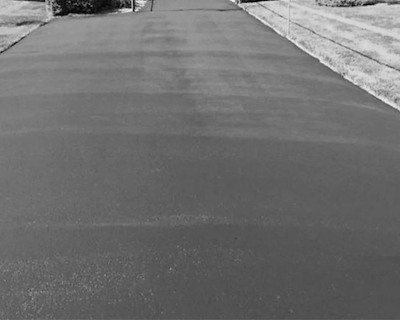
Wondering if your driveway needs a fresh coat of protection or a full reset? In St. Paul, winter freeze-thaw cycles, plow blades, and road salt are tough on asphalt. The right call saves money, prevents headaches, and keeps your home looking sharp. This guide explains how to tell whether driveway sealcoating is the smart move or if replacement is the safer long-term fix.
We’ll use plain language, real local conditions, and clear signs you can spot without getting into the weeds. By the end, you’ll know your next step and how Twin City Sealers can help.
What Sealcoating Actually Does in St. Paul’s Climate
Sealcoating adds a protective layer that shields asphalt from sun, water, salt, and oil. Think of it like sunscreen and a raincoat for your driveway. It helps slow oxidation, refreshes the color, and fills hairline surface voids. In neighborhoods like Highland Park, Como Park, and Macalester-Groveland, homeowners choose sealcoating to extend driveway life between resurfacing cycles.
Because our winters are long and our springs are soggy, keeping water out of the asphalt surface is critical. Sealcoating reduces the rate that water and salt can penetrate. That means fewer early cracks and less raveling over time.
Clear Signs Your Driveway Needs Help
Start with a simple walk-through. Look and listen as you roll the trash bin or car tires across the surface. These are common signs that point toward maintenance now rather than a major project later:
- Color has faded to light gray and the surface looks dry or dusty.
- Small, shallow cracks under one quarter-inch wide that are mostly straight or hairline.
- Minor surface raveling where fine aggregate feels rough to the touch.
- Stains from oil or leaves that soak in instead of wiping off.
If most of what you see matches the list above, sealcoating is usually the right next step. It refreshes appearance and slows further wear so you can get more seasons out of the pavement.
When Replacement Is the Better Choice
Some problems go beyond what a protective coating can solve. In parts of the East Side or Summit-University where older drives have seen decades of winters, full replacement may be smarter. Watch for:
- Alligator cracking that looks like a patchwork of broken glass.
- Wide cracks over one quarter-inch, especially if edges are crumbling.
- Heaving or sinking areas where water pools after rain or melt.
- Soft spots and loose aggregate that push under foot traffic.
- Repeated patch failures where new cracks form around old repairs.
These signs point to base or subgrade issues. Sealcoating sits on top. It cannot fix structural problems below the surface. In those cases, a replacement or reconstruction approach brings the base back to health and restores a smooth, stable driving surface.
The Timeline: How Long Each Option Lasts
Sealcoating is maintenance. Replacement is a rebuild. Both matter, just in different ways.
With regular care, many St. Paul driveways maintain their condition over long periods. A typical pattern is periodic crack sealing when needed and sealcoating during the warm season to renew protection. Replacement becomes likely when structural distress spreads or maintenance can no longer keep up. Your specific timeline depends on age, drainage, shade, traffic, and how winter cleanup is handled on your property.
Local insight: Spring thaw and summer sun are a one-two punch on aging asphalt. Scheduling protective work after the ground has warmed and cured conditions are steady helps the coating perform better through the next winter.
Local Factors That Affect Your Decision in St. Paul, MN
St. Paul isn’t Phoenix. Our driveways battle snow storage, deicers, and temperature swings from below zero to summer heat. Here are local variables that often tip the scale:
Snow and ice control. Frequent scraping can scuff an aging surface. Sharp edges from shovels and plows can nick the top layer. Sealcoating helps lock in fines and reduce scuffing.
Drainage and slope. If meltwater sits near your garage or along the boulevard, freeze-thaw can pry open cracks. Surface protection slows water entry, but standing water may signal grading or base repairs are needed.
Tree cover and shade. Drives in Merriam Park or Payne-Phalen with heavy canopy dry slowly. More moisture means more stress during cold snaps. Protection makes a difference here.
Vehicle type. Repeated turning from SUVs and delivery vans can cause scuffing. Sealcoating restores a smooth surface that resists light abrasion.
How We Evaluate Your Driveway
A quick visual check rarely tells the whole story. Twin City Sealers looks at the pattern and depth of cracking, texture changes, drainage routes, and how old patches are holding up. We also consider plow routes and where snow stacks on your lot. If the surface is sound but weathered, we recommend driveway sealcoating to protect it. If we see structural issues, we explain what is happening and why a larger fix may be the safer plan.
Want to read more background first? Browse our practical sealcoating articles for tips on timing and maintenance in our region.
Sealcoating vs. New Asphalt: Key Considerations
Use this simple comparison to frame the decision for your home in St. Paul:
- Goal: Sealcoating preserves and protects a solid driveway. Replacement corrects structural problems and resets the clock.
- Disruption: Sealcoating is short-duration. Replacement involves excavation, hauling, and curing time.
- Weather window: Both need fair weather, but sealcoating relies more on steady warmth and dry conditions to cure well.
- Appearance: Both improve curb appeal. Sealcoating refreshes the black finish. Replacement restores smoothness and grading.
Pro tip: If most cracks are narrow, stable, and not interconnected, preservation usually delivers the best value. When cracking is widespread or the pavement moves under load, preserving the surface won’t solve the root cause.
Mistakes To Avoid Before You Choose
Waiting until major failure only raises the stakes. When small cracks and light raveling appear, adding protection is simple and effective. Delays allow water to find weak spots, which can turn into potholes after a few deep-freeze nights.
Another mistake is focusing only on color. A black surface looks new, but the base must be sound. That’s why a professional assessment matters. We look beneath the surface to understand what the driveway is telling us. Finally, treat brittle edges with care. Edge cracking near the boulevard or garden beds often hints at support issues along the sides. Addressing edges early helps the whole driveway last longer.
How Seasonality Impacts Results
Our weather window matters. Sealcoating performs best in consistent, warm, dry conditions. In St. Paul, that usually lines up with late spring through part of fall, depending on the year. Rain and temperature swings can shift schedules. That is normal here and part of planning for quality results.
Here’s the bottom line: the goal is proper curing and adhesion. If conditions are not right, it pays to wait a little rather than push timing and risk performance.
Real-World Examples Around St. Paul
In Highland Park, a shaded driveway with light cracking and gray color benefited from maintenance. After crack work and a protective coat, the surface shed water better and held up through winter scrape cycles. In the North End, a drive with deep alligator cracking and sinking at the apron called for replacement because the base no longer supported traffic. Two different situations, two right answers.
If you are unsure where your driveway lands, a short on-site assessment can clear things up. We’ll walk the surface with you, explain what we see, and lay out a plan that matches your goals.
How To Decide With Confidence
Use these quick checkpoints to choose your path:
- Surface still feels firm underfoot, with mostly hairline cracks and no standing water after rain. Choose preservation with sealcoating.
- Cracks are wide, clustered, or the surface shifts when you turn the wheel. Consider structural repairs or replacement.
- You want a curb appeal boost before listing your home in Mac-Groveland, Como Park, or West 7th. Sealcoating can help your driveway look cared-for and ready.
If you want a broader overview of driveway care topics, our sealcoating articles library is a helpful place to start. For homeowners beginning their research, the main site is also a good resource for driveway sealcoating in St. Paul basics and service considerations.
What To Expect When You Hire a Pro
Good prep leads to good results. A reputable team will review drainage, clean the surface, address eligible cracks, and then apply a consistent protective coat under the right weather conditions. You should receive clear guidance on what to do before and after the work, including traffic timing and general care. The goal is a clean, even finish that protects the asphalt and looks great from the street.
We keep communication simple and transparent. If we recommend preservation, it is because the structure is sound and protection will help. If we recommend replacement, it is because we see issues that a coating cannot solve. Either way, you get a plan designed for St. Paul conditions and your property’s layout.
Your Next Step in St. Paul, MN
If your driveway looks tired but still feels solid underfoot, schedule preservation while the weather cooperates. If it shows signs of fatigue across large areas, ask for a replacement review. Not sure which one you have? That’s what we are here for.
Call Twin City Sealers at 612-757-0399. Or set up a quick assessment so we can walk the surface together and recommend the right plan. You can learn more about the process by exploring our page on driveway sealcoating before we visit.
Ready To Protect Your Driveway
St. Paul driveways work hard all year. Protecting a sound surface now can prevent larger repairs later. When the pavement has reached the end of its life, replacing it restores safety, drainage, and smoothness.
Let’s make the right call for your home. Reach out to Twin City Sealers at 612-757-0399 and tell us what you are seeing. We will explain options in clear terms and recommend the approach that fits your goals and property. When you are ready, we will schedule the work and keep you updated every step of the way. Call us today for driveway sealcoating in the St. Paul area.
Keep Your Driveway & Parking Lot Looking New with Our Sealcoating Services In St. Paul